Services / Scar Resurfacing
Paramedical treatment · No ink
Scar Resurfacing
Restore smoother, healthier-looking skin by stimulating its natural regeneration.
How it works
What happens in a session
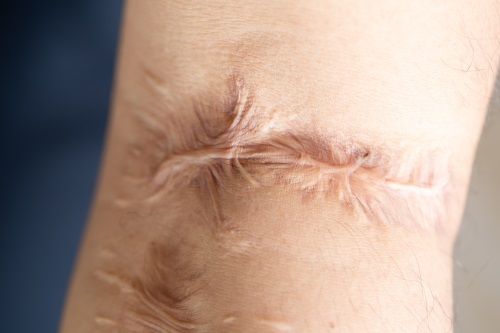
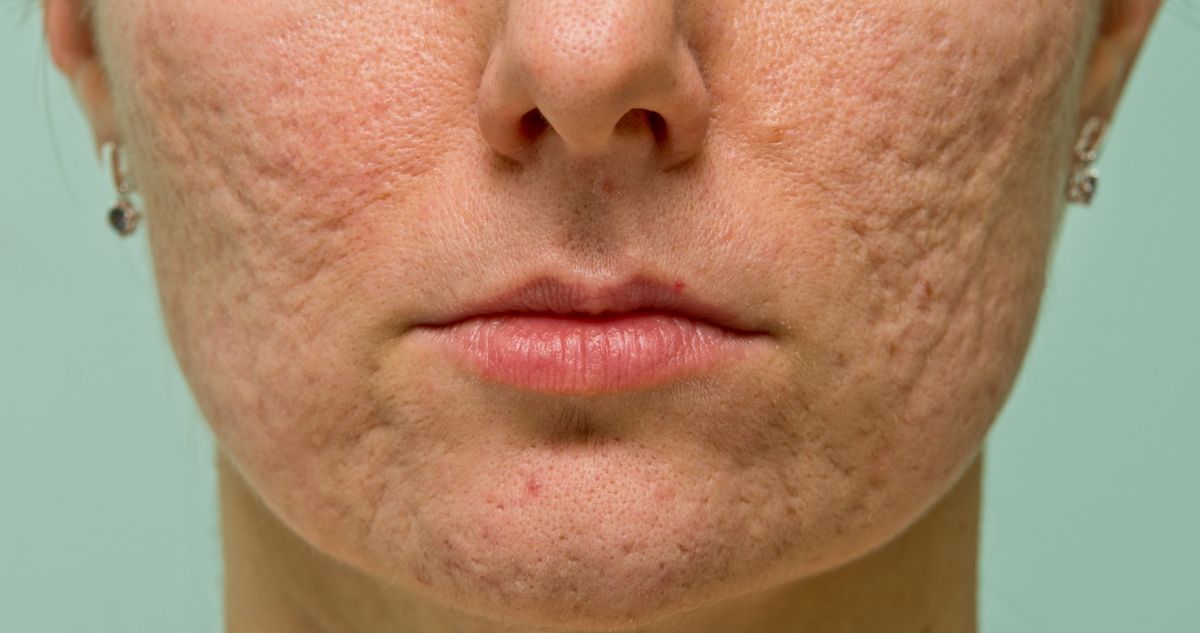
Scar resurfacing is a paramedical treatment that improves the texture, appearance and overall quality of scars using medical-grade serums and oils. It renews the outermost layer of skin where scarring sits. It's ideal for hyperpigmented scars, burn marks and textured scars.
Why choose it
The benefits
Scars can affect both how skin looks and how you feel. Resurfacing helps restore a smoother surface.
- Enhances your skin's natural healing
- Boosts confidence with improved texture
- A non-surgical alternative to scar revision
Prep & aftercare
Getting the best result
Follow these closely. How you prepare and heal makes a real difference to the final result.
Before your appointment
In the days leading up to your session
- Exfoliate one week before treatment to remove dead skin cells.
- Moisturize your skin to prepare it for treatment.
- Shave or wax the area. No laser treatment for 2 weeks before.
- No tanning of any kind.
- No alcohol, blood thinners or fish oil for 48 hours before.
- Wear loose clothing. The area will be slightly tender.
- Eat before your appointment and drink plenty of water.
Aftercare
From the end of your session through healing
- Apply pure vitamin E oil to the treated area 3 times a day for 15 days, with clean hands.
- For swelling, use cold packs 4 to 6 times a day for the first three days, 10 to 15 minutes on and off.
- No working out or heavy sweating for at least 7 days.
- No salt water, waxing or exfoliating the treated area for at least 14 days.
- Wash only with mild antibacterial soap. No scented soaps.
- No hot showers for the first three days.
- No tanning or direct sun exposure for 40 days, including spray tans. Exposed areas can stay dark.
- Don't take vitamin D pills.
- Don't scrub or pick the scab. Let it fall off naturally, or it can cause further scarring.
- If you have an allergic reaction, call your physician.
- No laser treatments of any kind on the area for at least 3 months.
- Always use sunblock on treated areas, during and after healing.
Book with Victory
Ready for scar resurfacing?
Start with a consultation and a test patch. Then we'll book your treatment.